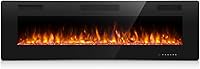
Gas Fireplace vs Electric Fireplace for a Living Room
Pick an electric fireplace if you want a flame look and some heat without a gas line or chimney work, and pick a gas fireplace if you want a real fire and can add a gas line and vent. Gas needs a licensed pro for the line and vent, and a hard-wired electric unit needs a licensed electrician.
On this page (12 sections)
- How does the install differ for gas and electric?
- Which one gives more heat in a living room?
- How do the two electric examples compare on specs?
- How do the two electric examples differ on controls?
- What does upkeep look like for each?
- How do the flames look in each?
- What safety care does each one need?
- Which works better under a TV?
- What questions should you ask before you buy?
- What does the budget look like for each?
- Which is easier to add to a room you already have?
- Pick the gas or electric fireplace that fits your living room
Gas fireplaces give a real flame and usually need a gas line and a vent. Electric fireplaces give a flame effect and some heat, with no fuel to burn.
This comparison covers install, heat, upkeep and flame look. It uses two electric units as examples of the electric side, the Touchstone Sideline 50 and the EUHOMY 50.
They show what electric units offer, and they don't stand in for every electric model or any gas model.


How does the install differ for gas and electric?
A gas fireplace needs a gas line and a vent, and a licensed pro usually does that work. An electric unit needs an opening and an outlet or a hard-wire connection, and no vent.
Most gas fireplaces need a gas supply line, and the layout of your house decides where the vent can go. Electric units need no vent and no gas line, so the job is about the opening, the depth and the power.
What an electric fireplace install asks for
Touchstone says the Sideline can be hard-wired or plugged in, and a hard-wired install is a job for a licensed electrician. Check that choice before you pick a spot on the wall.
For the EUHOMY, check whether it plugs in or is hard-wired before you order. Either way, the opening and the outlet come first.
What a gas fireplace install asks for
Gas work is a pro job, so plan time for the gas line and the vent before you pick a gas unit. Those two parts also decide which wall or chimney route you can use.
Gas units can use a direct vent, a chimney or a vent-free design, and each type has its own install rules. Let the pro pick the route that fits your wall rather than deciding the vent on your own.
If the house has no gas line at all, the cost of running one can settle the question before the look does.
Which one gives more heat in a living room?
Both can add warmth to a living room, but an electric unit's heat is set by its watts, and a gas unit's heat depends on the model you pick. Electric units are zone heaters, so they warm the area in front of them.
The Touchstone is rated at 5,000 BTU per hour, and the EUHOMY's top heat setting is 1,500 W, which is about 5,100 BTU per hour. For more on the heat question, see do electric fireplaces give off heat.
Heat ratings are the maker's claims
Touchstone and EUHOMY both say their units heat up to 400 square feet. That number is a maker claim for supplemental heat, not a promise for your room.
If your living room is much bigger than the room size a maker gives, expect the unit to warm mainly the area near it.
Each hour at full heat uses 1.5 kWh on a 1,500 W unit, so multiply that by your own rate to see what it costs you.
For the energy side of this question, read are electric fireplaces energy efficient.
How do the two electric examples compare on specs?
The Touchstone is 50.4 inches wide, 5.5 inches deep and 59 pounds, while the EUHOMY is 50 inches wide, 4 inches deep and 22.7 pounds. Both are about 50 inches wide, so depth and weight are the real differences.
| Product | Best for | Size | Depth | Weight | Our score |
|---|---|---|---|---|---|
| Touchstone Sideline 50 in | a built-in look in a new wall | 50.4 in wide | 5.5 in deep | 59 lb | 8.2 |
| EUHOMY 50 in | a budget flame wall | 50 in wide | 4 in deep | 22.7 lb | 8.0 |
The EUHOMY is thinner, which can matter for a wall that is already framed. Its 22.7 pounds make it the easier lift, while the Touchstone's 59 pounds mean you'll want a helper.
How do the two electric examples differ on controls?
The Touchstone's remote handles flame color, intensity, heat and a shut-off timer that runs from 1 to 8 hours. Its thermostat runs from 68 to 88 F, which is a warmer range than the EUHOMY's.
The EUHOMY gives you a remote and a touchscreen, plus a 1 to 8 hour timer and a thermostat from 62 to 82 F. Having both controls means you can adjust the unit at the wall or from across the room.
What does upkeep look like for each?
Gas makers usually call for a yearly check from a pro, so follow the gas manual. Electric units need dusting and a check of the remote batteries, since they have no soot, no ash and no chimney to clean.
Both electric examples come with a decorative log and crystals, which you can dust by hand. Keep the air grilles clear on any electric unit, and wipe the glass when it gets dusty.
Check the grilles and the area around them every few months, since dust can build up near the air path.
Gas upkeep is a yearly pro check
Gas fireplaces burn fuel, so the burner, the vent and the gas connection need checks over time. A pro usually does those checks.
Keep the vent and the area around the fireplace clear, and follow the maker's service schedule in its manual.
How do the flames look in each?
Gas gives a real flame, while electric units use LED flames and log effects that copy one. The look depends on the model, so compare the flame options, not just the type.
Gas flames move with the fuel and the air, while LED flames follow a set pattern that the controls change. Touchstone's Sideline uses an LED flame display with faux-fire logs and crystals, and you can change the flame color and intensity from the remote.
EUHOMY offers 12 flame colors and 12 LED fuel bed colors, with 5 brightness levels, so you can match the glow to the room.
Both electric examples let you run the flame without the heat, which suits the milder months when you want the look without the warmth.
What safety care does each one need?
Both need the maker's manual followed closely, and a gas fireplace also needs its gas line and vent checked by a pro. Neither one is a set-and-forget appliance.
Keep curtains, bedding and furniture away from any heater, and follow the clearance numbers in each manual.
Touchstone says its thermostat has auto-off overheat protection, and EUHOMY lists an automatic heat-off safety feature. Check each manual for how they work before you rely on them with a timer.
Gas fires also call for a working carbon monoxide alarm nearby. The National Fire Protection Association publishes home fire safety guidance you can use alongside the manual.
Which works better under a TV?
Neither one should be assumed safe under a TV, so read each unit's clearance notes and the TV maker's heat notes before you hang anything. The stand or wall plan has to satisfy all of them.
Touchstone says to allow at least 8 inches of space above the Sideline. That 8 inch figure is the maker's own number, so it doesn't cover the TV you own or the wall it sits on.
For the EUHOMY, ask the maker for its clearance numbers before you mount it under a TV. A gas unit's clearance is set by its vent and its maker, so read that manual before you plan the wall.
What questions should you ask before you buy?
Ask whether the unit plugs in or is hard-wired, how deep it is with the trim and frame, and whether the flame runs without the heat. For a gas unit, also ask who installs the line and the vent, and which vent type it needs.
- Does it plug in, or does it need a hard-wire connection?
- How deep is it with the trim and the frame?
- Can the flame run without the heater?
- What vent type does the gas unit need, and who installs the line?
- What room size does the maker give for its heat claim?
Get the answers in writing before you pay, since they set the install work and the heat you can expect.
What does the budget look like for each?
The Touchstone sits in the premium tier and the EUHOMY sits in the budget tier, so the electric side covers a wide range of spending. Tier is a rough guide, not a price quote, so check the current price before you decide.
Gas budgets add the gas line, the vent and a pro's install, so get those quotes before you compare the units. Electric budgets add an outlet if you don't have one nearby, and a licensed electrician should do that work.
The Touchstone is the larger unit with a hard-wire option and more weight. The EUHOMY is thinner and offers more color choices, which suits a tighter budget and a wall that needs less depth.
Put the install work in the same column as the unit, so you compare the whole job rather than the box alone.
Ask any installer for a written plan before you buy, so the gas line, the vent or the wall work is clear from the start. EUHOMY says it comes with two years of technical support, and Touchstone lists a one-year limited warranty.
Which is easier to add to a room you already have?
Electric is usually easier to add later, because it needs an opening and an outlet. Gas needs a gas line and a vent route, and that route decides where the unit can go.
An electric unit can go into a recessed wall, a cabinet or a firebox if the opening fits, which opens more places to use it. A gas unit depends on the line and the vent path, so check those before you plan the room.
If the wall already has an outlet close by, the electric side of the job is mostly choosing the unit and checking its depth.
Pick the gas or electric fireplace that fits your living room
Pick electric if you have no gas line, want a flame look and some heat, and don't want chimney work. Pick gas if you want a real fire and can add a line and a vent.
If you want the flame look and some supplemental heat on a budget, the EUHOMY is the simpler start. If you want a built-in look in a new wall, the Touchstone is the closer match.
If a real wood fire is also on your list, see electric fireplace vs wood burning fireplace. For the wider question of whether an electric unit is the right call, read are electric fireplaces worth it.
For the full wall plan, start with the wall mounted and recessed electric fireplace guide, then read the electric fireplace buying guide for the living room.
Frequently asked questions
Does an electric fireplace need a gas line?
No, an electric fireplace needs an outlet or a hard-wired connection, but no gas line or vent. A gas fireplace needs both, and a licensed pro usually installs them, so an electric unit is often the simpler start in a room with no gas access.
Do electric fireplaces give real heat?
Yes, most give some heat, usually up to about 1,500 W, or about 5,100 BTU per hour, on the top setting. That heat warms the area in front of the unit, and any room size is the maker's claim rather than a promise for your room.
Which is easier to maintain, gas or electric?
Electric is usually easier, since it has no soot, ash or chimney to clean, so you mostly keep the grilles clear, wipe the glass and check the remote batteries. Gas makers usually call for a yearly check from a pro, so follow the manual.
Can you put a gas fireplace in a living room with no gas line?
Not without adding one, since a gas fireplace needs a gas supply line and a vent route. A licensed pro usually does that work, so ask for a quote on the line and vent, or choose an electric unit if you'd rather not add one.